7:00AM - 8:00PM
Monday to Saturday

Monday to Saturday
+91 9530659319
Rishikesh, 249204
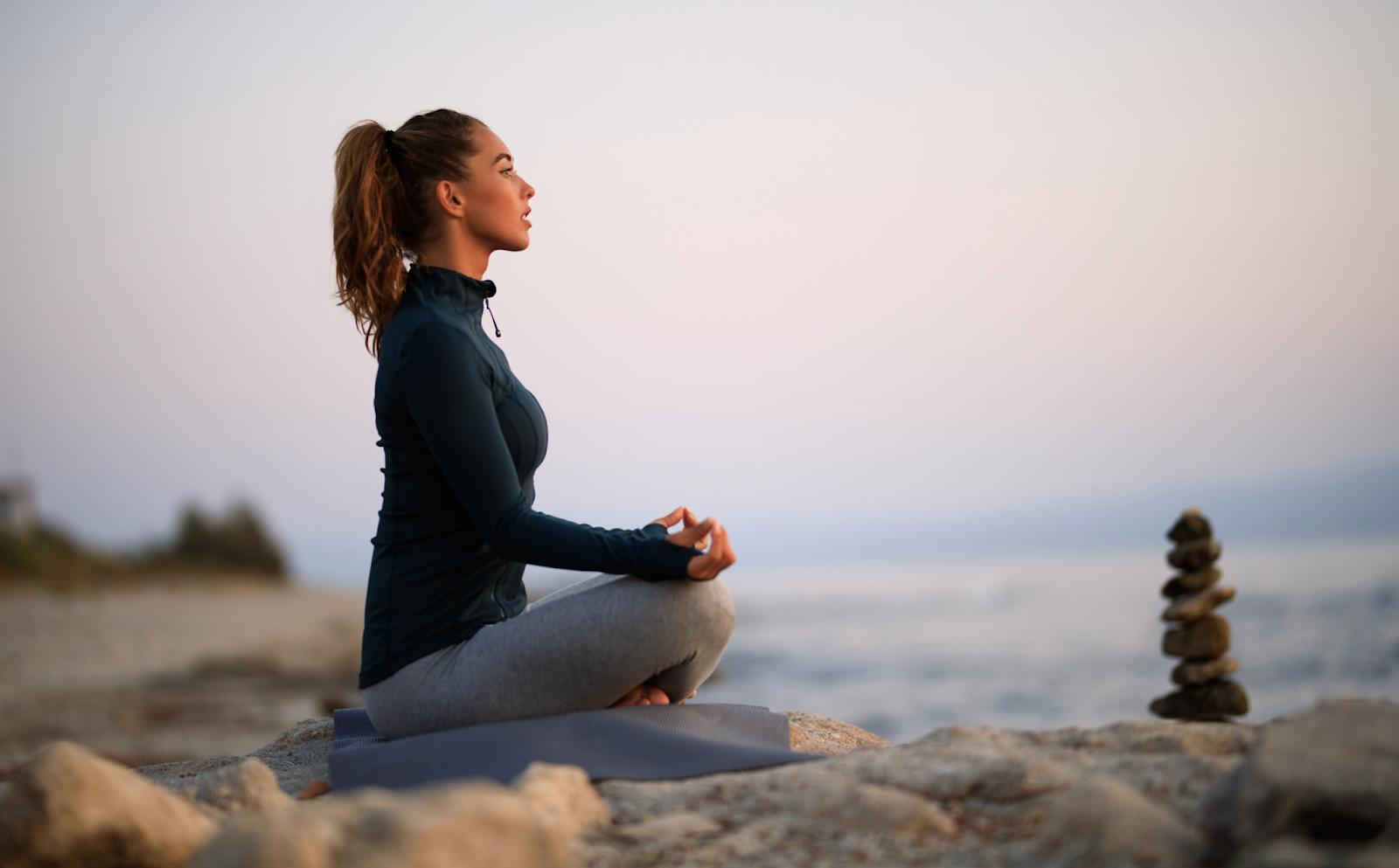
Increased resilience in stress management is achieved by developing the capacity to adapt to adversity, bounce back from setbacks, and maintain a positive, harmonious life. It is a proactive process that involves building emotional, mental, and social skills—often summarized as the 7 Cs: competence, confidence, connection, character, contribution, coping, and control. A high level of…
Read more
POSTED BY
Strong, healthy relationships are foundational to effective stress management and the creation of “happy health harmony,” serving as a critical buffer against both mental distress and physical illness. According to research, including long-term studies, supportive social connections are as important for longevity and well-being as physical exercise or nutrition. Impact on Stress Management Buffers Stress: Supportive…
Read more POSTED BY
Improved sleep quality is a fundamental, evidence-based pillar for managing stress, enhancing emotional resilience, and fostering a “happy health harmony”—a state of physical, mental, and emotional balance. High-quality rest reverses the vicious cycle of stress, where high cortisol levels hinder sleep, and poor sleep conversely elevates stress, anxiety, and depression. The Link Between Sleep, Stress,…
Read more POSTED BY
Enhancing cognitive function for stress management and happy health harmony involves a holistic approach that integrates physical activity, mental stimulation, nutritional support, and emotional regulation to optimize brain function and promote overall well-being. Chronic stress damages brain cells and impairs functions like memory and concentration, while active management techniques can reverse these effects and promote…
Read more POSTED BY
Emotional well-being is the ability to manage stress, build resilience, and maintain a positive, balanced life through self-care, healthy relationships, and mindfulness. It involves recognizing, processing, and expressing emotions constructively, which boosts physical health and harmony. Key practices include getting adequate sleep, exercising regularly, practicing mindfulness, and seeking support when needed. Core Strategies for Emotional Well-Being…
Read more POSTED BY
Physical activity is a highly effective, natural way to manage stress by reducing stress hormones (cortisol) and boosting endorphins. Engaging in 20–30 minutes of aerobic activity (walking, jogging, swimming), yoga, or even brisk, daily housework can significantly reduce anxiety and improve mood. Top Physical Health Activities for Stress Relief Aerobic Exercise: Running, cycling, swimming, or brisk walking increases…
Read more POSTED BY
You can feel mental benefits (reduced stress, better sleep) immediately or within one week, while physical results like improved flexibility and strength typically appear within 4-12 weeks of consistent practice. A 30-day consistent practice can lead to noticeable improvements in posture and strength, while deeper body transformations usually take about three months. Regular yoga practice delivers…
Read more POSTED BY
Yoga can reduce stress immediately after a single session, with, as noted by Peloton, significant long-term mental health benefits typically appearing within 6–12 weeks of consistent practice. While immediate relaxation can be felt in minutes, 3–4 sessions per week are recommended for lasting stress management. Key Takeaways on Timing: Instant Relief: A single session, particularly involving deep breathing…
Read more POSTED BY
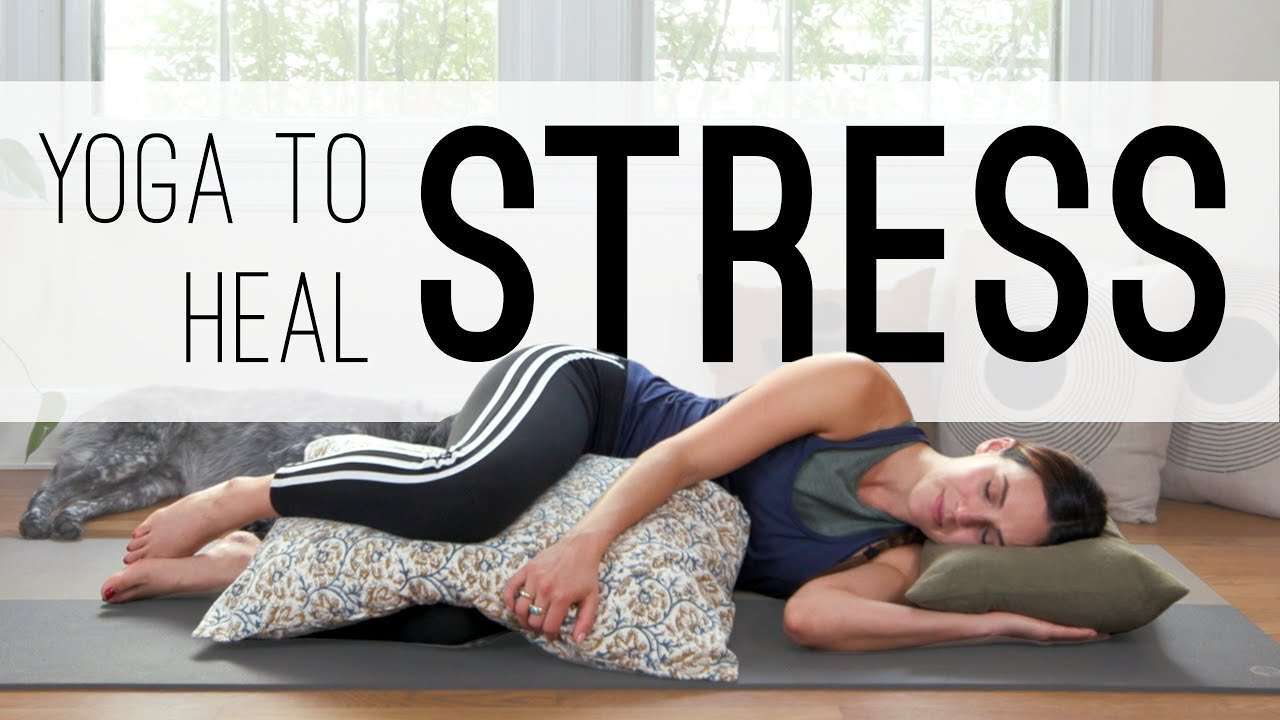
Yes, yoga is highly effective at reducing stress, anxiety, and burnout. It combines physical postures, breathing techniques (pranayama), and meditation to calm the nervous system, lower cortisol levels (the stress hormone), and improve emotional well-being. Regular practice enhances resilience and helps manage daily stress. Key Benefits for Stress Relief: Lowers Cortisol: Yoga helps reduce the production…
Read more POSTED BY
The best yoga styles for mind relaxation are Restorative, Yin, and gentle Hatha, which focus on slow movements, deep breathing, and long holds to calm the nervous system. Key poses for stress relief include Child’s Pose (Balasana), Legs-Up-the-Wall (Viparita Karani), and Corpse Pose (Savasana), designed to release tension. Key Relaxation Yoga Styles & Techniques Restorative Yoga: Uses…
Read more POSTED BY
With our experienced instructors, comprehensive curriculum, supportive environment, and commitment to authentic teachings, Aadam Yoga Rishikesh stands out as a premier choice for Yoga in Rishikesh. Embark on your transformative journey with Aadam Yoga Rishikesh and experience the profound benefits of Yoga in India.
GET MORE DETAILS ON WHATSAPP @ +91 9530659319